How to Test Water Quality
Your tap looks clear. It smells normal. It tastes fine. But here is the question: do you really know what is in your water?
Many contaminants are invisible. You cannot see heavy metals. You cannot taste bacteria. That is why learning how to test water quality is one of the smartest steps you can take for your home.
Let’s make it simple and practical.
Simple Methods to Learn How to Test Water Quality
You do not need to be a scientist. There are easy ways to start.
1. Check smell, taste and colour
This is basic but useful.
- Cloudy water may suggest particles.
- A strong chlorine smell may indicate treatment chemicals.
- A metallic taste can point to pipes or mineral issues.
This first check does not prove safety. It only gives clues.
2. Use home test strips
Water test strips are affordable and easy to use. You dip the strip in water and compare the colour to a chart.
They can test for:
- pH levels
- Hardness
- Nitrates
- Chlorine
They give quick results. They are not always precise, but they help spot obvious problems.
3. Send a sample to a certified lab
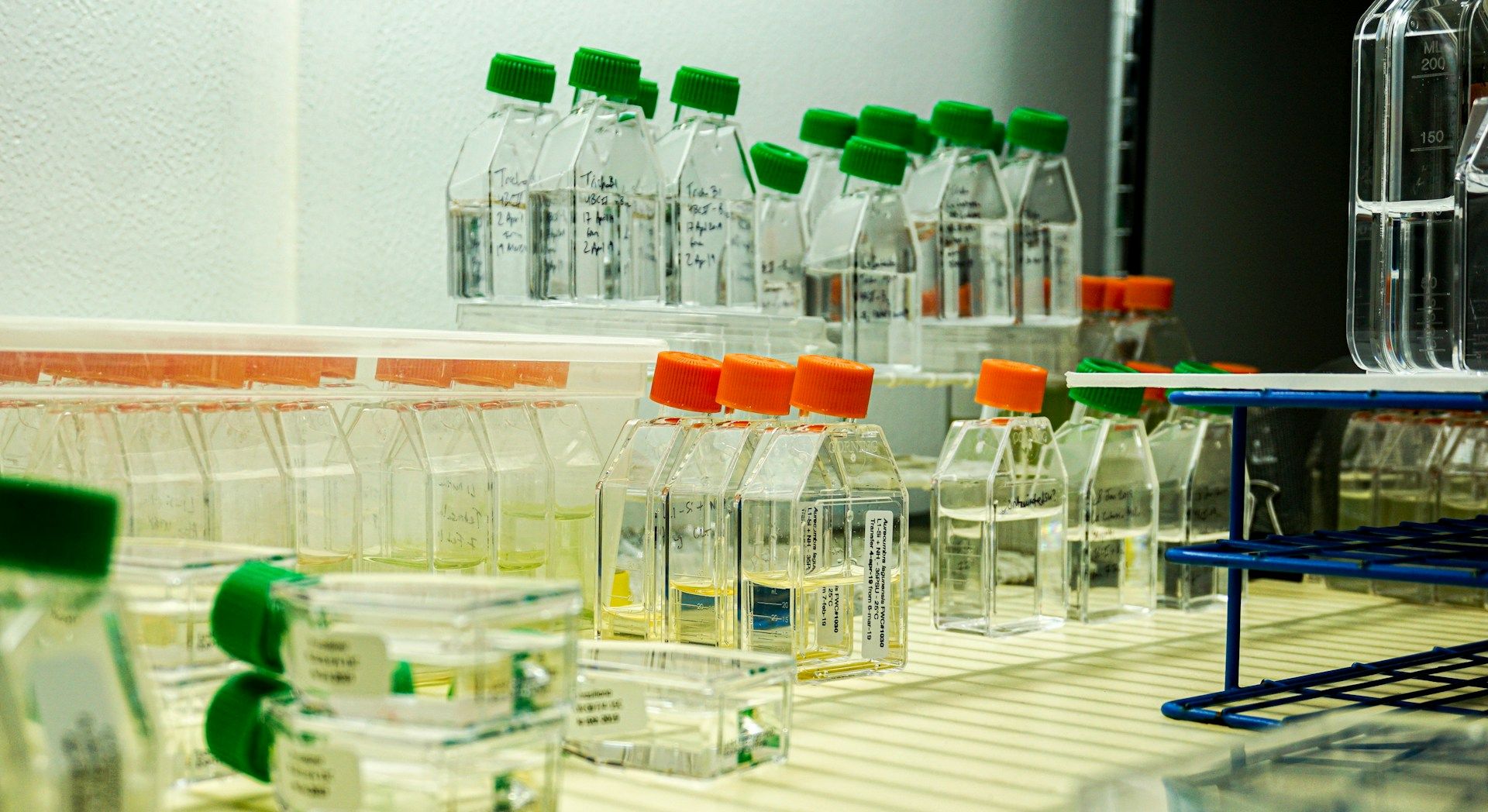
If you want detailed results, lab testing is the most accurate option. A lab can detect bacteria, heavy metals, and other contaminants.
This method takes more time. It gives deeper insight.
Testing is the first step. Understanding the results is the next.
Recommended Equipment and Kits to Test Water Quality
If you want to test water at home, choose tools based on your needs.
- Basic test strips for quick checks
- Digital TDS meters to measure total dissolved solids
- Comprehensive home kits for multiple parameters
A TDS meter measures dissolved particles in water. High readings may suggest mineral content or contamination. It does not tell you exactly what is present. It only shows total concentration.
For ongoing peace of mind, many households prefer advanced purification systems rather than repeated testing.
Learning about how water purification works helps you understand how modern systems remove contaminants at the source. It gives you clarity on what is filtered out and why that matters for your health and your home.
Solutions like the Pro Purifier are engineered to remove a wide range of impurities while maintaining strong, consistent water flow. You benefit from powerful purification without sacrificing performance at your taps.
Systems such as the Kitchen Station 1™ go one step further. After purification, they enhance the water with carefully selected Swedish electrolytes to improve taste and mineral balance. The result is clean, great-tasting water designed for everyday hydration.
Testing tells you what is there. Purification helps solve the problem.
Interpreting Results: What Water Quality Means for Your Health
Numbers can feel confusing. Keep it simple.
- High nitrates may be harmful, especially for babies.
- Bacteria presence requires immediate action.
- High hardness affects appliances and taste.
- Low pH can make water more corrosive to pipes.
Not all findings are dangerous. Some affect taste. Others affect plumbing. A few impact health.
The key is balance. Clean water should be free from harmful contaminants while keeping beneficial minerals.
If your results show issues, do not panic. Investigate the source. Check your pipes. Consider filtration or purification solutions.
Take Control of Your Water
So, how to test water quality?
Start with simple checks. Use home kits for quick insights. Choose lab testing for deeper analysis. Then decide the best action.
Water flows through your body every day. It affects your health, your cooking, your appliances.
Clear water is not always clean water.
When you understand your water, you take control. At Bluewater, water is crafted for health, for people, and for the planet.
References: