Spring vs Mineral Water
You see both on shelves. They look similar. They sound natural. Yet many people still ask: what’s the difference between spring water and mineral water, and does it really matter? The answer is not just about labels. It is about where the water comes from, what it contains, and how much control you have over what you drink.
What Is Spring Water?
Where spring water comes from
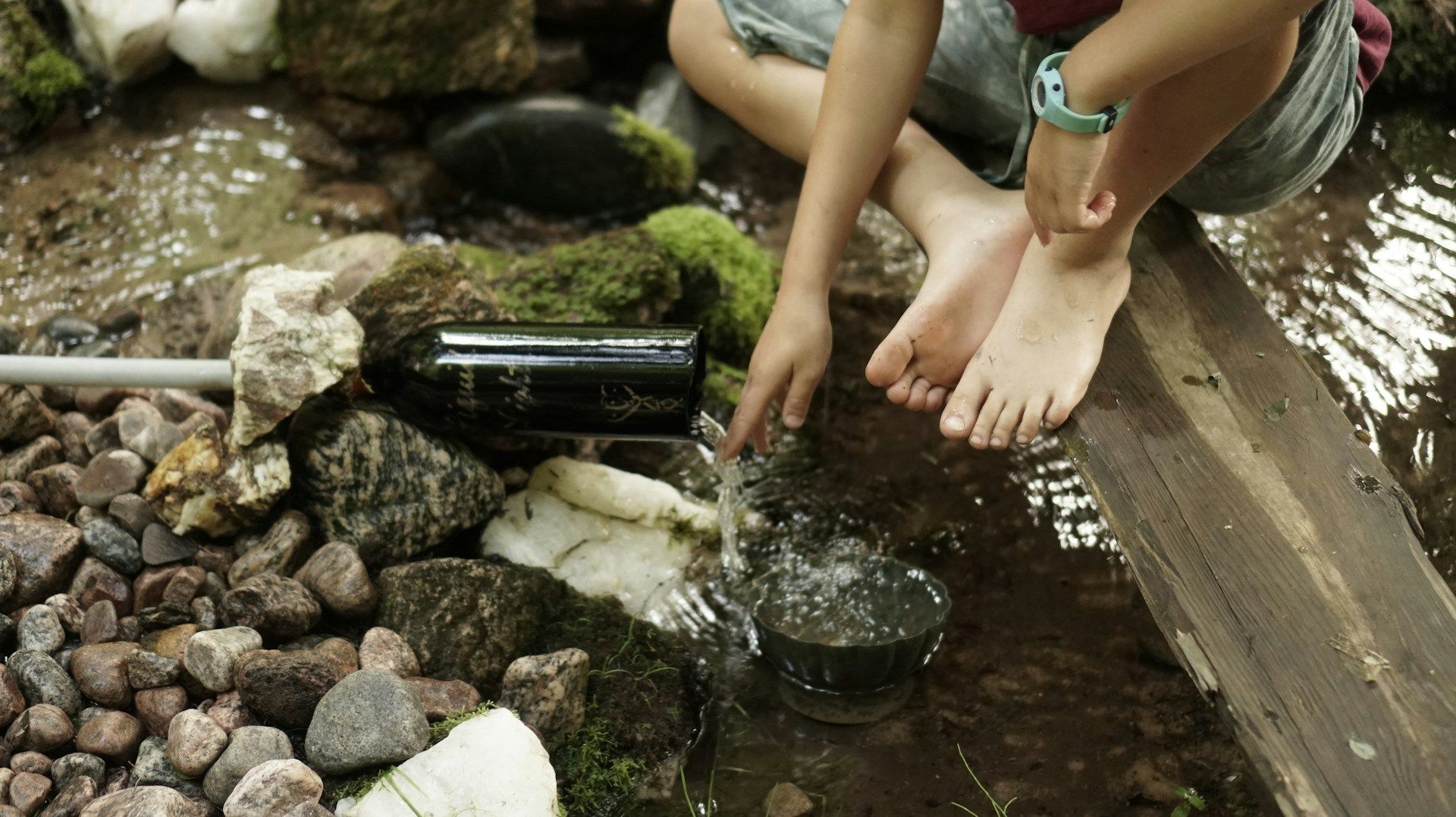
Spring water comes from underground sources where water flows naturally to the surface. It begins as rainwater that filters through layers of rock and soil over time. During this journey, it may pick up small amounts of minerals, depending on the geology of the area. This natural filtration process is often seen as a sign of purity.
How spring water is collected and bottled
Spring water must be collected at the source or through a borehole that taps into the same underground formation. It is then bottled with minimal treatment to keep its natural properties. According to research like WHO – Guidelines for Drinking-water Quality, natural sources can still vary in composition, which means not all spring water is identical.
What Is Mineral Water?
Natural mineral content explained
Mineral water also comes from underground sources, but it contains a consistent and defined level of minerals. These minerals, such as calcium, magnesium, and bicarbonates, come from the rocks the water passes through. The key difference is stability. Mineral water must maintain a stable mineral composition over time.
Regulations for mineral water
Mineral water is strictly regulated. It must be bottled at the source and cannot undergo significant treatment that alters its composition. Studies like European Food Safety Authority (EFSA) – Natural Mineral Waters explain that mineral content and purity are tightly controlled. This ensures that what is on the label reflects what is in the bottle.
Spring Water vs Mineral Water: Key Differences
Mineral content and composition
The main difference lies in mineral consistency. Spring water may contain minerals, but the levels can change depending on environmental factors. Mineral water, on the other hand, has a stable and recognised mineral profile. Research such as Gleick (2010) – Bottled and Tap Water Quality highlights how natural water sources can vary widely in composition.
Taste and health considerations
Minerals affect taste. Mineral water often has a stronger, more distinct flavour due to its content. Spring water usually tastes lighter and more neutral. From a health perspective, minerals can contribute to daily intake, but the amount varies and is not always significant. This means taste preference often becomes the deciding factor for many people.
Which Is Better: Spring Water or Mineral Water?
When to choose each type of water
There is no single answer. Spring water may appeal to those who prefer a softer taste and a more neutral profile. Mineral water may suit those who enjoy a richer flavour and want a consistent mineral composition. The choice often depends on personal preference rather than a clear health advantage.
What matters more today is not choosing between two bottled options, but understanding that both come with limits. You are relying on a source you cannot control, and the composition is fixed before it reaches you.
A More Advanced Way to Experience Water
Bluewater takes a different approach. Instead of choosing between spring or mineral water, it allows you to create your own high-quality water at home.
With SuperiorOsmosis™ technology, Bluewater purifiers remove a wide range of unwanted substances at a microscopic level while maintaining strong flow performance. Systems like the Pro Purifier and Spirit Purifier are designed for precision, giving you control over what is removed and what is added back.
This means you can enjoy purified water and then enhance it with carefully selected minerals for taste and balance. It is not about choosing between spring or mineral water anymore. It is about having the ability to define your own water standard, based on performance, quality, and control.
References: