If you’ve ever wondered about the difference between osmosis and diffusion, you’re not alone. These two processes are often confused because they both involve the movement of particles.
However, there are key differences that set them apart. Understanding these concepts can help you grasp how substances move in and out of cells in living organisms.
Osmosis vs Diffusion: Understanding the Differences
Both diffusion and osmosis are types of passive transport, meaning they don’t require energy to move substances. But they occur in different ways and under different conditions. Let’s take a closer look.
Key concepts of diffusion in cells
Diffusion is the movement of molecules from an area of high concentration to an area of low concentration. This happens until the concentration of the molecules is balanced (reaches equilibrium).
Diffusion occurs in all states of matter, but in cells, it’s mainly used for gases like oxygen and carbon dioxide. In your lungs, for example, oxygen diffuses from the air into your bloodstream where its concentration is lower, allowing your body to use it.
How osmosis differs from diffusion
The main difference between osmosis and diffusion is that osmosis specifically refers to the movement of water molecules across a semi-permeable membrane. Water moves from an area of low solute concentration to an area of high solute concentration.
This allows cells to maintain the right balance of water, which is crucial for cell function. For instance, in plants, osmosis helps roots absorb water from the soil.
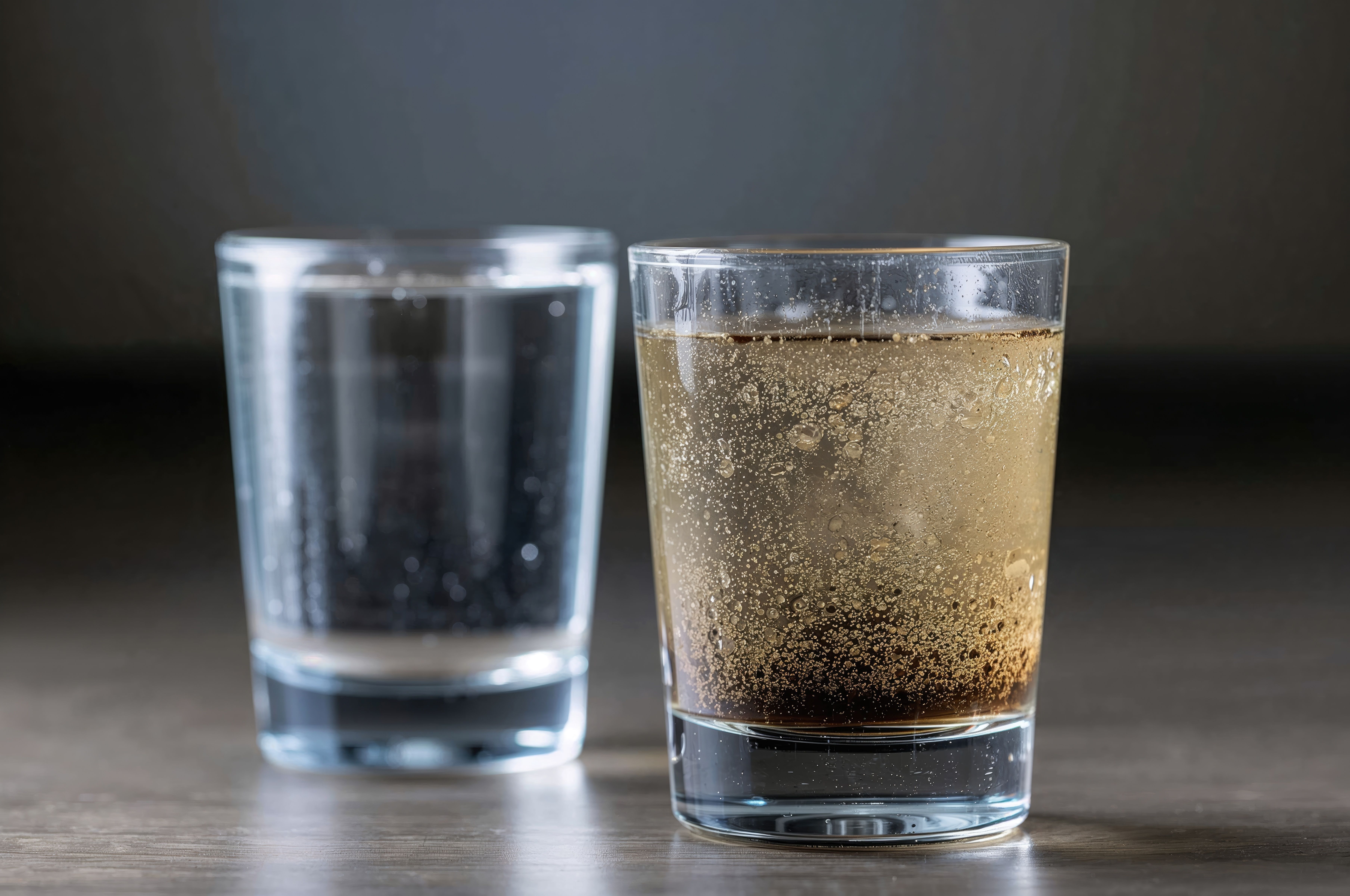
Active Transport, Diffusion, and Osmosis Explained
Let’s explore active transport, which is different from both osmosis and diffusion. While diffusion and osmosis are passive processes that don’t require energy, active transport does require energy to move substances against their concentration gradient.
Active transport in cells and energy usage
In active transport, molecules move from an area of low concentration to an area of high concentration, which is the opposite of what happens in diffusion and osmosis. This process requires energy, usually from ATP (adenosine triphosphate).
An example of active transport is the sodium-potassium pump in nerve cells, where sodium ions are moved out of the cell, and potassium ions are brought in. This process is essential for maintaining cell function and sending nerve signals.
Comparing passive and active transport mechanisms
The main difference between passive transport (like diffusion and osmosis) and active transport is that passive transport doesn’t require energy, while active transport does. Both types of transport play crucial roles in keeping cells healthy and functional.
Real-Life Examples of Diffusion and Osmosis
Now that we understand the basics, let’s look at real-life examples of diffusion and osmosis.
Examples in the human body
In the human body, diffusion is essential for processes like gas exchange in the lungs, where oxygen diffuses into the blood and carbon dioxide diffuses out. Osmosis also plays a vital role in regulating the balance of water in your body, especially in the kidneys, where water moves in and out of cells to maintain hydration.
Examples in plants and everyday science
In plants, osmosis helps them absorb water through their roots. When the soil is wet, water moves into the roots of the plant via osmosis, helping it grow. Diffusion occurs in the process of photosynthesis, where gases like carbon dioxide diffuse into plant cells to be used in making food.
Understanding the difference between osmosis and diffusion helps us grasp how substances move in and out of cells and organisms. Diffusion involves molecules moving from high to low concentration, while osmosis is the movement of water through a semi-permeable membrane.
In contrast, active transport requires energy to move substances against their concentration gradient. These processes are essential for life, helping to maintain balance in cells, tissues, and organs. By understanding these mechanisms, we gain insight into how living systems function and thrive.
References:
- J. D. Jones, "How Effective Are Simulated Molecular-level Experiments for Teaching Diffusion and Osmosis?", CBE—Life Sciences Education, Vol. 4, No. 4, 346-355, 2005.
- A. L. Odom y D. B. Barrow, "High School Biology Students' Knowledge and Certainty about Diffusion and Osmosis Concepts," School Science and Mathematics, Vol. 96, No. 1, 6-12, 1996.
- H. Lodish et al., "Passive Transport: Diffusion vs. Osmosis Mechanisms," Molecular Cell Biology, 8th Edition, W.H. Freeman, Section 5.3, 2016.