Can You Drink Rainwater Safely?
It falls from the sky. It looks clean. It feels natural. So you might wonder, can you drink rainwater straight from the source? Many people think it is pure because it has not passed through pipes or treatment plants.
The reality is more complex, and what you cannot see in rainwater matters the most.
Can You Drink Rainwater Safely?
Rainwater can be safe to drink, but only under certain conditions. Fresh rainwater, collected in a clean environment and treated properly, can be suitable for drinking. However, drinking it straight from the sky or from a collection surface without treatment is not recommended. Safety depends on how it is collected, stored, and purified before consumption.
Is Rainwater Clean Enough to Drink?
What rainwater contains when it falls
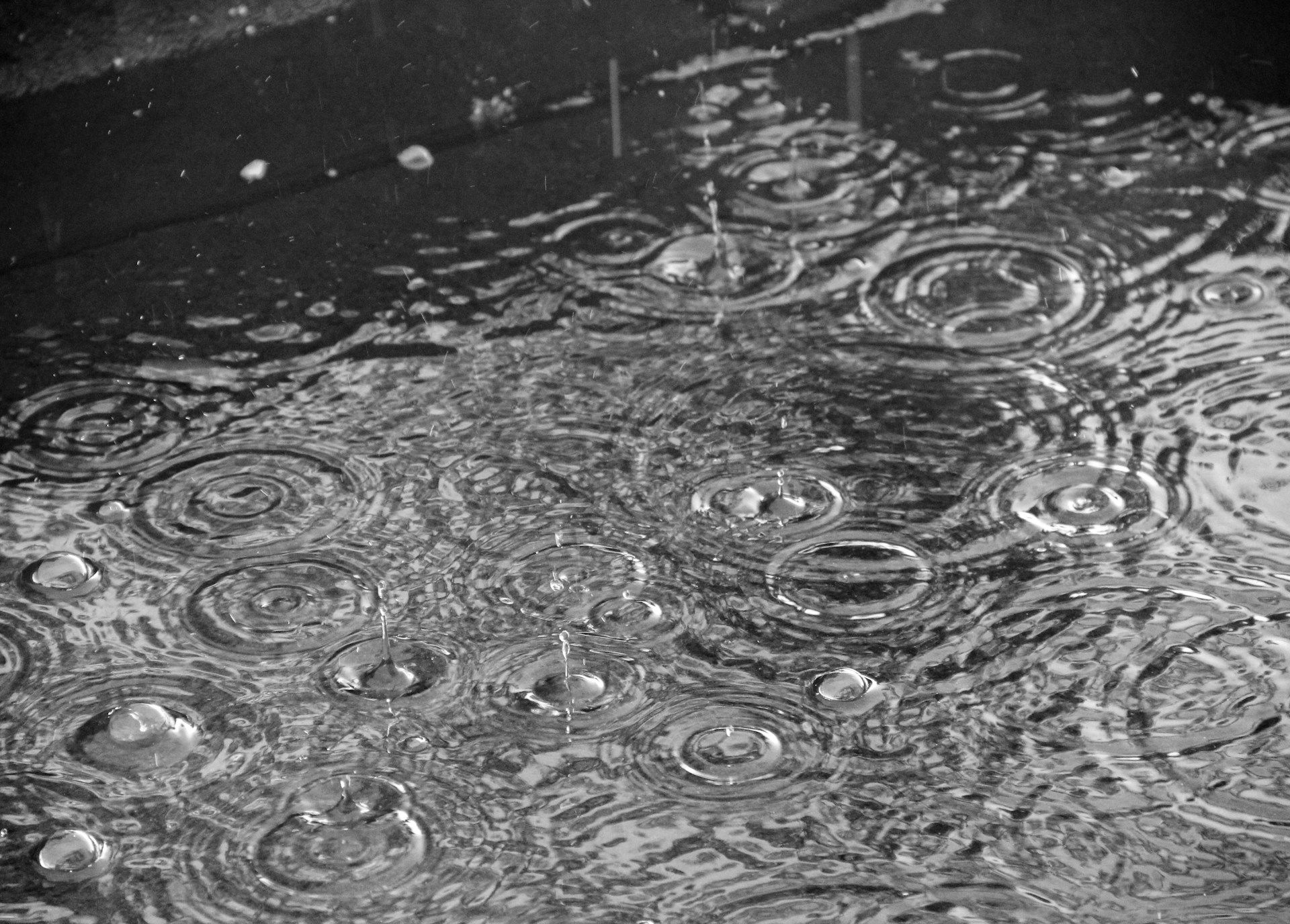
When rain forms, it starts as water vapour that condenses in the atmosphere. At this stage, it is relatively clean. As it falls, it collects particles from the air such as dust, pollen, and microscopic pollutants. Research like World Health Organization – Guidelines for Drinking-water Quality explains that airborne contaminants can easily mix with rain before it reaches the ground.
How pollution affects rainwater quality
Rainwater can also absorb gases and pollutants from the environment. In urban or industrial areas, this may include chemicals from traffic emissions or factories. Studies such as Eriksson (1952) – Composition of Atmospheric Precipitation show that rainwater chemistry changes depending on air quality. This means rainwater in one area can be very different from another.
Risks of Drinking Untreated Rainwater
Bacteria and contaminants in collected rainwater
Once rainwater lands on a roof or surface, it can pick up even more contaminants. Bird droppings, dirt, leaves, and bacteria can all enter the water. Storage tanks can also become a source of microbial growth if not properly maintained. Research such as Ahmed et al. (2011) – Microbial Risk Assessment of Rainwater highlights the presence of harmful microorganisms in untreated rainwater systems.
Health risks to consider
Drinking untreated rainwater may expose you to bacteria, parasites, or chemical contaminants. These can lead to stomach issues or other health problems, especially for children or vulnerable individuals. The risk is not always visible, which makes untreated rainwater unreliable as a daily drinking source.
How to Make Rainwater Safe to Drink
Boiling and basic purification methods
Boiling rainwater can kill many harmful microorganisms. This is a simple and effective step for short-term use. Other basic methods, such as chemical disinfection, can also reduce biological risks. However, these methods do not remove all contaminants, especially dissolved substances like heavy metals or micro-pollutants.
Filtration and purification systems for rainwater
For a more reliable solution, advanced filtration is essential. Systems using reverse osmosis can remove very small particles, including dissolved contaminants that basic methods cannot handle. Bluewater takes this further with SuperiorOsmosis™ technology, designed to purify water at a deeper level while maintaining strong flow and performance.
Products like the Pro Purifier and Spirit Purifier are built to transform collected water into a cleaner and more controlled drinking source. They do not just filter water; they refine it, offering an option to reintroduce essential minerals for better taste and balance. This reflects a high-performance approach to water purification, aligned with Bluewater’s commitment to quality and innovation.
When people ask can you drink rainwater, the real question becomes: how well is it treated before it reaches your glass?
Rainwater is natural, but natural does not always mean safe. With the right purification, it can become a usable source of drinking water. Without it, you are taking a risk that is easy to avoid.
References:
- Influence of Air Quality on the Composition of Microbial Pathogens in Fresh Rainwater — PMC / Applied and Environmental Microbiology
- A Global Review of Microbiological Quality and Health Risks of Roof-Harvested Rainwater Tanks — npj Clean Water, Nature
- Characterisation of Atmospheric Deposition as a Source of Contaminants in Urban Rainwater Tanks — PubMed / Science of the Total Environment